Latest Posts
-
Nine things you need to do to start writing great flash fiction
Want to improve your short stories – or help your students improve theirs? Flash fiction is a great way to start. The enduring appeal of short stories ‘Short stories are tiny windows into other worlds and other minds and other… Continue reading

-
Devising a scheme of learning as part of a thematic curriculum: an in-depth example
How to plan a scheme of learning as part of a thematic curriculum: essential advice Planning a scheme of learning as part of a thematic curriculum In a previous blog post, I advocated for the benefits of a thematic curriculum in… Continue reading

-
Why a thematic curriculum is brilliant for Key Stage 3 English (and why it’s also great for your GCSE students too)
A thematic curriculum allows us to learn about those important touchstones of literary study alongside cultural totems of our time. Why a thematic curriculum? Spoiler alert. In the excellent film Arrival (2016, Denis Villeneuve), Amy Adams plays Louise Banks, an… Continue reading

-
Help your students feel much more confident with GCSE English Language, Paper 2, Question 4
When they’re tackling Paper 2, it’s crucial our students know exactly what each question is demanding of them. Here’s how. In my Year Eleven class, Josh is a Great Dane, on account of his height, which is somewhere in the… Continue reading

-
Ten Persuasive Writing Techniques to Transform Students’ Responses to GCSE English Language, Paper 2, Question 5
Discover some really effective techniques for persuasive writing that will transform students’ planning and allow them to write compelling responses. The writing section of GCSE English Language Paper Two, Section B – persuasive writing or writing to express a viewpoint… Continue reading

-
Teach your students how to compare poems for GCSE English Literature, Paper 2, Section B
Learn some of these brilliant strategies for teaching really effective poetry comparison for GCSE English Literature, Paper 2, Section B. One of the elements of our students’ exam performance we identified as a weakness in last summer’s examination series was… Continue reading

-
How to use urban legends to teach students to write compelling narratives
What can we take from urban legends and their cinematic equivalents when teaching those elements of great stories and narratives? As a university student in the late 1990s, I was fascinated by what was, in hindsight, an early example of… Continue reading

-
‘Vantage Point’
It was a place of frustrated ambitions, low aspirations and barely suppressed cruelty. The outbuildings were crumbling, the timber frames rotten and chains across the doors. Pebble dashed houses were literally a stone’s throw over the metal gate. The goal… Continue reading

-
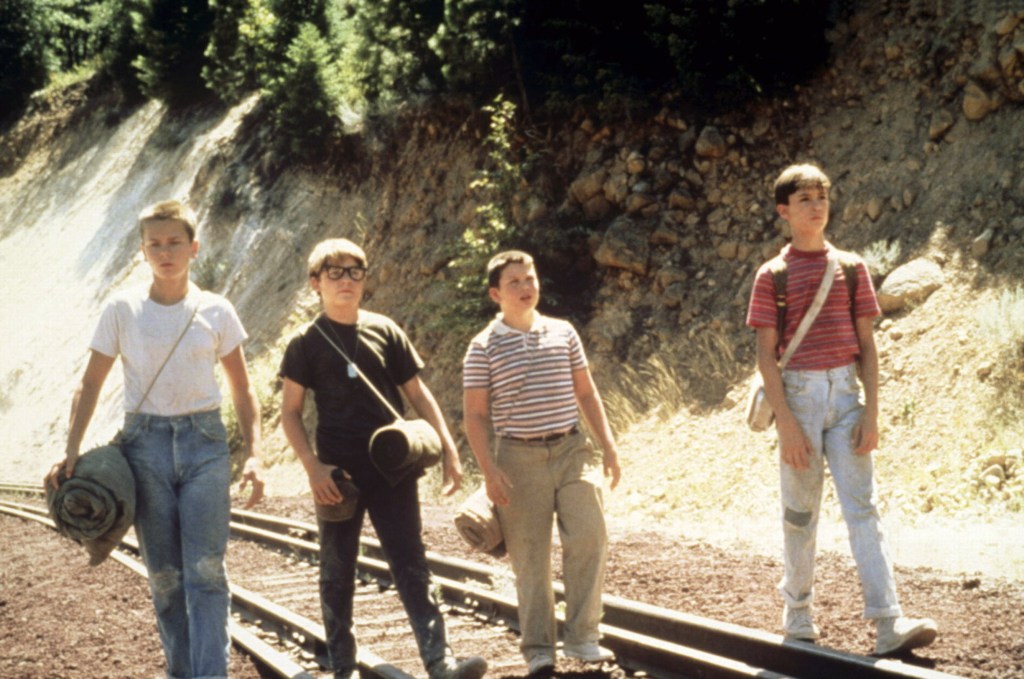
Why my favourite film, Stand By Me, is a brilliant prompt for creative writing
The iconic bridge scene is a great stimulus for writing. I’ve developed some resources to make the most of it. ‘I was twelve going on thirteen the first time I saw a dead human being. It happened in the summer… Continue reading
-
Two very creepy but highly effective extracts for teaching AQA’s GCSE English Language, Paper 1, Question 4
This question offers some really great opportunities for students to productively engage with the idea of thinking and writing analytically Teaching AQA’s GCSE English Language Paper 1 is a brilliant way to explore the craft of fiction. As well as… Continue reading

 Anthony Cockerill